Blog ·
Caring for Your Window Treatments: A Complete Maintenance Guide
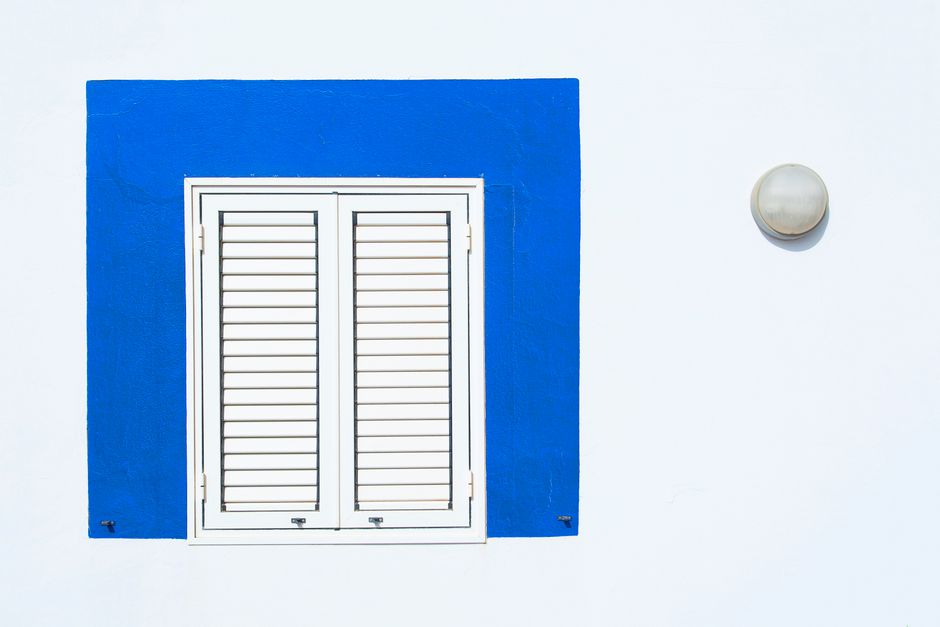
Window treatments protect your furniture, flooring, and privacy—but they need care to remain beautiful and functional. Regular maintenance extends their lifespan and keeps them looking like new. Understanding how to care for your specific treatments prevents premature wear and costly replacements.
Dust Removal Basics
Dust accumulates on all treatments, dulling their appearance and potentially affecting how smoothly they operate. For blinds, use a microfiber cloth or specialized blind brush to clean both sides of slats. Work from top to bottom to prevent dust from falling onto already-cleaned sections. For curtains and drapes, gentle vacuuming with an upholstery attachment removes surface dust effectively. Do this monthly to prevent buildup.
Deeper Cleaning for Different Materials
Sheer panels benefit from gentle hand washing in cool water with mild detergent. Allow them to drip dry to avoid wrinkles. Heavier curtains often need professional dry cleaning to prevent shrinking or dye damage. Check the manufacturer's instructions before attempting any water-based cleaning on lined or coated fabrics. Cellular shades can be vacuumed gently or spot-cleaned with cool water and a soft brush for stubborn stains.
Addressing Stains Promptly
Spills happen, and quick action matters. Blot immediately rather than rubbing, which can spread the stain deeper into fibers. For water-based stains, use distilled water and a clean cloth. For grease or oils, consult the fabric care label before attempting removal. Some materials require specialized cleaners, so knowing your treatment's composition helps prevent damage.
Maintaining Operation and Longevity
Motorized shades and blinds need occasional cleaning of their mechanisms. Dust on tracks and rollers can cause operation issues. Gently wipe tracks with a dry cloth and check that cords aren't frayed or tangled. For manual treatments, test opening and closing regularly to catch problems early.
Seasonal Considerations
Summer heat and humidity can stress treatments, while winter dryness affects certain materials. During humid months, ensure rooms have adequate ventilation around treatments. In winter, dust may appear more visible on fabrics as dry air attracts static. Adjust humidity levels in your home to protect your treatments from extreme conditions.
When to Replace or Repair
Some damage warrants replacement rather than repair. Severe staining, broken cords in cellular shades, or non-functional motorized systems typically require professional attention or replacement. However, torn fabric, loose hems, and worn cords are often repairable, extending your treatment's life at minimal cost.
Proper care keeps your window treatments functioning beautifully for years. Establish a simple routine of regular dusting and seasonal deep cleaning to maintain your investment.